
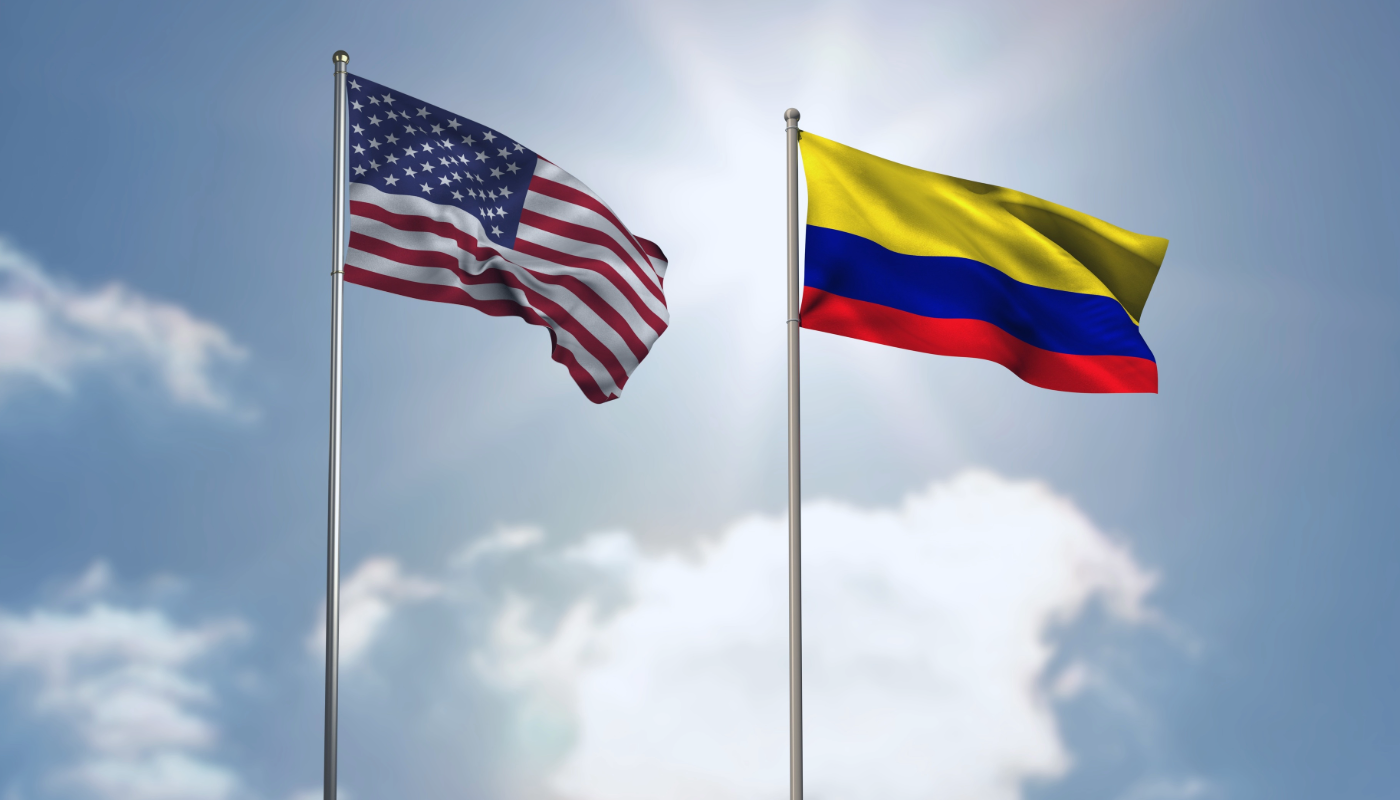
Yes, you may need an apostilled FBI background check when applying for certain Colombian visas or completing another legal process in Colombia. Because an FBI Identity History Summary is a federal document, its apostille must be issued by the U.S. Department of State—not by a state-level Secretary of State.
The exact requirements depend on your Colombian visa category and personal circumstances. Before ordering documents, confirm the current requirements for your specific application.
ROCA Authentications helps individuals obtain and properly process FBI background checks and federal apostilles for use in Colombia.
Do You Need an FBI Background Check to Move to Colombia?
Not every person moving to Colombia will automatically need an FBI background check. The requirement depends on the type of visa or legal procedure involved.
Colombia’s visa authority may request a criminal, judicial, or police-background certificate from an applicant’s country of nationality or previous residence. Certain visa categories specifically require a background certificate.
For example, Colombia’s Ministry of Foreign Affairs lists a properly apostilled or legalized criminal or police-background certificate among the requirements for its migrant pensioner visa.
Because requirements vary, applicants should review the official checklist for their visa category before beginning the process. A Colombian consulate or qualified immigration professional can also confirm which documents are required.
What Is an FBI Identity History Summary?
An FBI Identity History Summary is a record based on fingerprints submitted to the FBI. It is often informally called an FBI background check, FBI criminal-background check, or FBI police-clearance certificate.
The report may show information associated with fingerprints submitted to the FBI. If no qualifying information is found, the response will indicate that no prior arrest data was located.
The FBI authenticates fingerprint-search results with an FBI watermark and the signature of a division official. According to the FBI, the authenticated report can then be submitted to the U.S. Department of State for an apostille when necessary.
Applicants can request an Identity History Summary directly from the FBI or, when eligible, work with an FBI-approved channeler.
ROCA can assist clients who need an FBI background check and help ensure that the document is prepared for the next step.
Does an FBI Background Check Need an Apostille for Colombia?
If a Colombian authority requires your FBI background check to be apostilled, it must receive a federal apostille from the U.S. Department of State.
Colombia and the United States participate in the Hague Apostille Convention. An apostille allows a qualifying U.S. public document to be recognized in another participating country without additional embassy legalization.
The apostille verifies the authenticity of the signature and official capacity shown on the document. It does not verify the accuracy of the information contained in the background check.
The U.S. Department of State’s Office of Authentications issues apostilles for qualifying federal documents intended for use in Hague Convention countries.
Can a Secretary of State Apostille an FBI Background Check?
No. A state-level Secretary of State should not issue the apostille for an FBI Identity History Summary because the FBI is a federal agency.
State apostilles are generally used for documents issued or notarized within that state, including certain birth certificates, marriage certificates, diplomas, powers of attorney, and notarized documents.
An FBI background check follows the federal process:
- Obtain the official FBI Identity History Summary.
- Review the report for accuracy.
- Submit the qualifying federal document to the U.S. Department of State.
- Receive the federal apostille.
- Complete any required Spanish translation.
- Submit the document according to the Colombian authority’s instructions.
Sending an FBI report to the wrong office can result in delays, rejection, or an apostille that is not appropriate for the document.
How Do You Apostille an FBI Background Check for Colombia?
Step 1: Confirm Your Colombian Visa Requirements
Start by reviewing the requirements for your specific visa or legal procedure.
Do not assume that every Colombian visa requires the same documents. The visa authority may also request additional information based on your nationality, residence history, or individual circumstances.
Colombia’s general visa instructions state that documents other than identity or travel documents generally must have been issued no more than three months before the visa application unless a different rule applies.
Confirming the requirement first helps prevent the background check from becoming too old before the application is submitted.
Step 2: Obtain Your FBI Background Check
An FBI Identity History Summary is based on your fingerprints. Make sure the personal information submitted with your fingerprints matches your passport and other application documents.
Name differences, incomplete fingerprints, incorrect birth information, and poor fingerprint quality can delay the process.
If you need help obtaining the report, ROCA offers FBI background-check services.
Step 3: Review the FBI Report
Before requesting the apostille, review the report carefully.
Check:
- Full legal name
- Date of birth
- Place of birth
- Identifying information
- FBI watermark
- Signature of the authorized FBI official
- Document quality and legibility
If the information is incorrect, address the issue before submitting the document for an apostille.
Step 4: Obtain the Federal Apostille
The FBI background check must be submitted to the U.S. Department of State’s Office of Authentications for the federal apostille.
The U.S. Department of State accepts authentication requests through its authorized submission procedures. Current submission options and processing information should be reviewed before sending the document because procedures and timelines can change.
ROCA’s FBI apostille services can help manage this federal step and reduce the risk of sending the document to the wrong government office.
Step 5: Arrange the Required Spanish Translation
Documents issued outside Colombia generally require an official Spanish translation unless an exception applies.
Confirm whether the receiving authority requires both the FBI report and its apostille to be translated. Translation requirements can depend on where the translation is completed and how it will be submitted.
Do not translate only the background-check page while overlooking the apostille or other attached certifications.
Step 6: Submit the Complete Document Package
Once the FBI report, federal apostille, and required translation are complete, submit them according to the instructions for your Colombian visa or legal procedure.
Keep clear digital and physical copies of:
- The FBI Identity History Summary
- The federal apostille
- The complete Spanish translation
- Submission receipts
- Tracking information
- Visa or application correspondence
Common FBI Apostille Mistakes That Can Delay a Colombia Application
Requesting a State Apostille
An FBI background check is a federal document. Submitting it to a state Secretary of State is one of the most common processing mistakes.
Ordering the Document Too Early
If a Colombian visa application requires recently issued documents, ordering the FBI report too far in advance could cause it to become outdated before submission.
Using a Name That Does Not Match the Passport
Differences involving middle names, married names, maiden names, accents, or multiple surnames can create questions during the application process.
Use your legal identity information consistently and maintain documentation explaining legitimate name changes.
Submitting Poor-Quality Fingerprints
Unclear or incomplete fingerprint impressions may be rejected, requiring the applicant to repeat the submission.
Failing to Translate the Complete Document
A translation may need to include the FBI report, apostille, and any other attached certifications. Confirm the receiving authority’s requirements before ordering the translation.
Assuming Every Visa Has the Same Requirements
Colombian visitor, migrant, resident, digital-nomad, pensioner, investor, employment, and family-based visas may have different supporting-document requirements.
Always follow the checklist for the exact visa category being requested.
How Long Does the FBI Apostille Process Take?
The total timeline depends on several separate steps:
- Scheduling or completing fingerprinting
- FBI processing
- Delivery of the FBI report
- U.S. Department of State apostille processing
- Shipping
- Translation
- Colombian visa preparation
Government processing times can change and should be checked before submitting the documents. Applicants should begin early enough to accommodate delays but not so early that time-sensitive documents expire before the visa application is filed.
ROCA can review the required steps and help clients plan the process based on their application timeline.
Can You Complete the Process While Living Outside the United States?
In many situations, applicants living abroad can request an FBI Identity History Summary and arrange for the federal apostille without traveling back to the United States.
However, fingerprinting, shipping, payment, and eligibility requirements may vary depending on the method used and the applicant’s location.
Working with an experienced U.S.-based authentication provider can make it easier to coordinate the federal portion of the process.
Why Work With ROCA Authentications?
A Colombia visa application can be delayed when a document is sent to the wrong agency, receives the wrong type of apostille, contains inconsistent personal information, or is submitted without the required translation.
ROCA Authentications helps clients navigate the U.S. portion of the process, including:
- FBI fingerprinting and background-check assistance
- Review of documents for federal processing
- U.S. Department of State apostilles
- Document authentication
- International shipping coordination
- Guidance on the correct order of processing
Our Washington, DC location provides convenient access to the federal document-authentication process.
If you need an FBI background check apostilled for use in Colombia, contact ROCA Authentications before submitting your documents. We can help you identify the correct U.S. authentication process and avoid preventable delays.
Frequently Asked Questions
Does Colombia require an FBI background check for every visa?
No. Requirements depend on the visa category and the applicant’s circumstances. Colombia’s visa authority may also request additional background documentation while reviewing an application.
Who issues an apostille for an FBI background check?
The U.S. Department of State issues the federal apostille for a qualifying FBI Identity History Summary. A state Secretary of State does not issue the appropriate apostille for this federal document.
Does the FBI background check need to be translated into Spanish?
Foreign documents submitted for a Colombian visa generally require an official Spanish translation unless an exception applies. Confirm whether the translation must include both the FBI report and the apostille.
How recent must the FBI background check be?
Colombia’s general visa instructions state that most supporting documents other than identity and travel documents should be issued no more than three months before the application unless a different requirement applies. Applicants should verify the rule for their specific visa.
Can ROCA apostille an FBI background check for Colombia?
ROCA can assist with the U.S. federal apostille process for an eligible FBI background check and help clients avoid sending the document to the wrong government office.
Can I obtain an FBI apostille while living outside the United States?
The process can often be coordinated from abroad, although fingerprinting, shipping, and submission requirements vary. ROCA can help applicants understand and manage the U.S. portion of the process.
Is an apostille the same as embassy legalization?
No. An apostille is used between countries participating in the Hague Apostille Convention. Embassy legalization is generally used when the destination country does not participate in the convention or when a separate process is specifically required.
Visa and document requirements can change. Always verify current requirements with Colombia’s Ministry of Foreign Affairs, the appropriate Colombian consulate, or a qualified Colombian immigration professional before submitting an application.
ROCA Authentications is a trusted provider of apostille and document authentication services based in Washington DC, serving clients across the United States and internationally. The team specializes in federal apostilles, FBI background checks, FBI fingerprinting, and preparing documents for use abroad. With deep knowledge of U.S. Department of State requirements and international document standards, ROCA helps clients complete their paperwork efficiently and correctly.